
You're buying a house, and the seller's folder has a foundation repair contract with "Lifetime Warranty" printed across the top. It's reassuring, but the first questions are whether that foundation repair warranty is transferable to you and what "lifetime" covers. Short answer: it usually covers the piers or the specific repair that was done, not the whole house. It lasts for the life of the structure, but only while the company that wrote it is still in business, and only if someone files the transfer on time.
Below we cover what these warranties include, what voids them, what real companies charge to transfer them, and what to compare before you sign a repair contract.
What does "lifetime" mean on a foundation repair warranty?
In most cases, "lifetime" means the life of the structure, and the coverage is limited to the specific piers or repair the company installed. It does not mean the whole foundation is guaranteed forever.
Ram Jack is a good example of how narrow the language can be. Its warranty page says plainly that "a steel pile only supports a limited area directly above that pile," and notes that dealer warranties "may differ by location." The Ram Jack Dealers Association Warranty Trust promises that "a Ram Jack vertical pile will not move downwards (settle), and a Ram Jack tieback anchor will not move laterally for the life of the structure." It also excludes "any downward movement ('settlement') of the foundation and floor beyond the specific area directly above each vertical pile." The same limited, lifetime, transferable wording appears outside Texas too, for example on Ram Jack's Cleveland, Ohio page.
Put simply, if one corner was pinned and a different wall settles years later, that is usually not a warranty claim.
Why the contract wording matters so much
Federal warranty law offers less help here than many homeowners assume. The FTC's Businessperson's Guide to Federal Warranty Law says the Magnuson-Moss Warranty Act "does not apply to warranties on services. Only warranties on goods are covered." The FTC guide also explains that under the Act, a "Full" warranty must cover anyone who owns the product during the warranty period, while a "Limited" warranty does not have to. That is one reason transfer rules vary so much from company to company. For repair work, the written contract is what you'll be held to, so read it before you rely on it.
What is typically covered, and what isn't
Most lifetime warranties cover fixing the repair if it fails: adjusting or replacing piers that settle, or re-repairing a crack that reopens. They generally don't cover new problems elsewhere, cosmetic damage, or disasters.
Usually covered:
-
Pier adjustments. U.S. Foundation Repair (Houston area) offers a lifetime warranty on its piers "at no cost for adjustments."
-
Re-leveling over the repaired area. Stratum Foundation Repair describes its lifetime warranty as having "No expiration date, no renewal fees."
-
A failed crack repair. Attack A Crack, a Connecticut and Massachusetts crack-repair firm, covers re-repair "if the original repair fails, meaning the crack re-opens, the injection fails, or the stabilization does not hold."
-
Product defects. This Old House's Groundworks review reports that the Groundworks warranty "protects against manufacturing defects and wear and tear and is transferable if you sell your home."
Usually not covered:
-
New cracks. In Attack A Crack's words: "If you have one crack repaired and a different crack appears three years later, that is a new issue, not a warranty claim."
-
Paint and drywall. Stratum excludes them.
-
Resulting damage. The Ram Jack Trust excludes direct, consequential and other damages from movement or from warranty-related repairs.
-
Disasters. The Ram Jack Trust also excludes tornadoes, earthquakes, excessive wind (including hurricanes), fire, explosions, floods and storm surge.
-
Parts of the job with shorter terms. Master Builders in Dallas gives a lifetime transferable warranty on concrete and steel piers, but only a 1-year warranty on pier-and-beam understructure repairs.
Crack repair vs. piers: two different promises
A crack-injection warranty covers that one crack. A pier warranty covers vertical movement at each pier. If your job includes both, or includes piers plus shimming or understructure work, ask the contractor to label which warranty term applies to each line item. A single "lifetime" heading at the top of the page can hide several shorter terms underneath.
Is a foundation repair warranty transferable when you sell the house?
Usually yes, but there are conditions. Most companies want a form and a fee within a short window after closing, often 30 days. Miss the window and some warranties expire for good. Atlas Foundation in the Fort Worth area says most companies require transfer paperwork within 30 days of the title transfer.
Here are the published terms we reviewed:
| Company (area) | Transfer fee | Deadline | Notable conditions |
|---|---|---|---|
| Douglas Foundation Repair (Austin) | $200, "not negotiable" | Within 30 days of deed transfer | Notarized application. No fee if the home sells within 180 days of project completion. "Expired warranties will NOT be honored." |
| U.S. Foundation Repair (Houston area) | $200 | Notify within 30 days after the sale | Lifetime pier warranty, no cost for adjustments |
| Master Builders (Dallas) | $200 | Within 30 days of closing or title transfer | Offers a reinstatement process if the deadline is missed |
| Stratum Foundation Repair | Free for 6 months, then $225 | No hard cutoff listed; fee rises after 6 months | Claims need an engineer's report and a leak test |
| Atlas Foundation (Fort Worth area) | $0 | None | "We do not require the new owner to contact us" |
| Ram Jack Dealers Association Warranty Trust | Transfer fee paid to the Trust (amount not published in the FAQ) | Register within 90 days of the dealer accepting the transfer | Claimants pay the current deductible at the time of the claim |
Douglas spells out what happens if you're late: the warranty "will expire and become non-transferable." So the cost of missing a deadline isn't a late fee. You lose the coverage.
What voids a foundation repair warranty?
Poor maintenance, changes to the house that affect the piers, plumbing leaks, erosion and flooding are the most common reasons. Some companies add requirements you must meet before they'll even look at a claim.
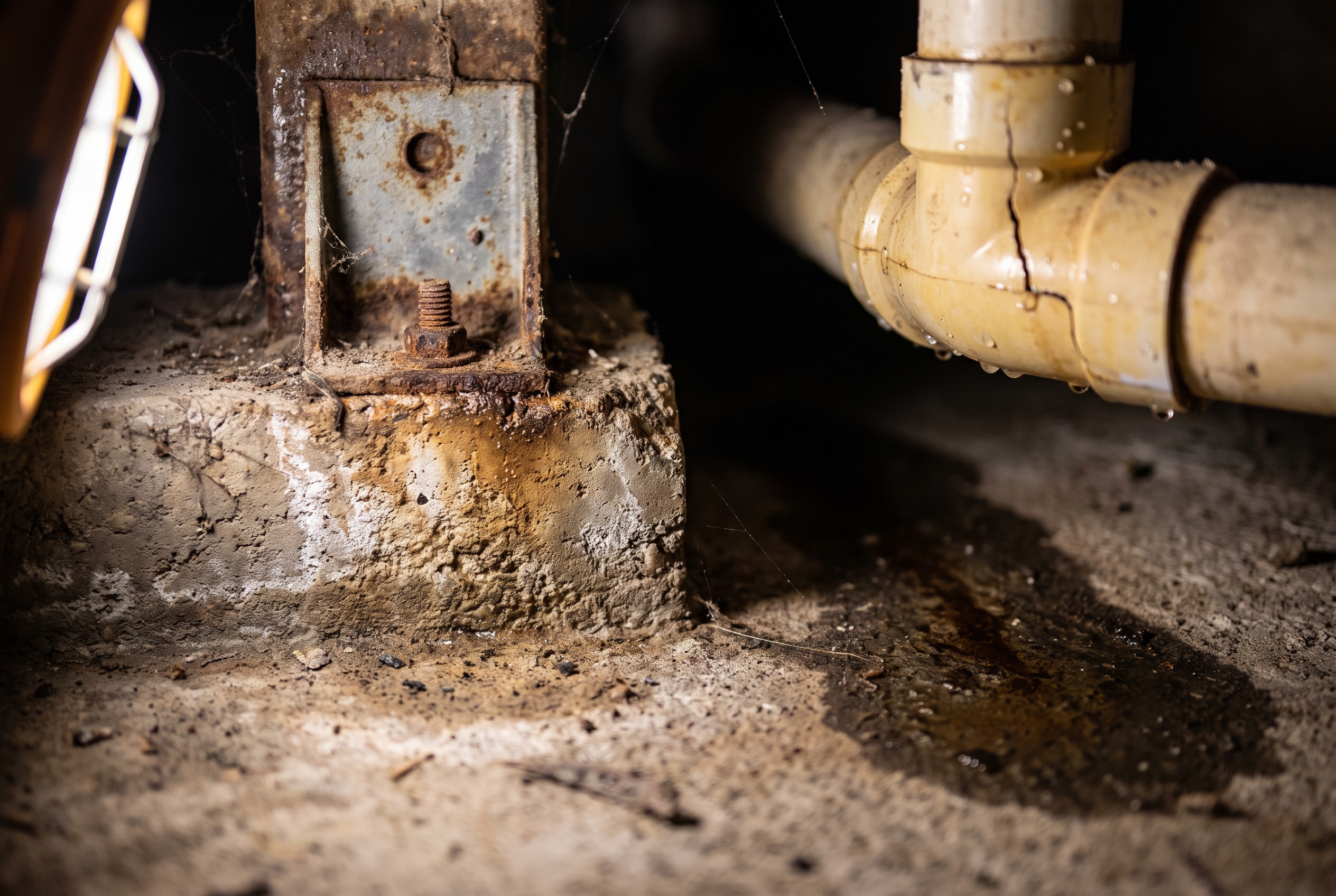
U.S. Foundation Repair lists its voiding conditions word for word. The warranty is void if "the foundation is not properly maintained," "the structure is altered to any degree affecting the piers," "the structure is sited on a fault," or "the building is undermined by soil erosion, flood, fire, leaks, or an underground water system."
Atlas lists similar triggers that void warranties: major structural changes such as room additions or pools, major plumbing leaks, natural disasters, poor maintenance or uneven soil moisture, and late payment. Stratum requires reasonable drainage around the foundation and no unauthorized changes to the piers.
Claim requirements that can cost you money
-
Engineer's report and leak test. Stratum requires a licensed engineer's report and a plumbing leak test, both dated within 30 days of the claim.
-
Plumbing test first. Master Builders starts its warranty process with a hydrostatic plumbing test.
-
Paid evaluation visits. Master Builders bills $75 for each warranty evaluation visit.
Attack A Crack argues that a warranty should not require paid inspections or maintenance contracts to stay valid. Whether or not you agree, find out which kind you're getting before you sign.
Practical tip: keep gutters and downspouts draining away from the house, keep soil moisture around the slab consistent, fix plumbing leaks quickly, and call the warranty holder before you add a room or pool near repaired areas. Keep receipts and photos, because "not properly maintained" is a judgment call you may need to push back on.
What happens if the foundation company goes out of business?
Usually the warranty is only as good as the company behind it. If the company closes and nobody has taken over its obligations, a lifetime warranty can be worth nothing. A few third-party backstops exist:

-
Ram Jack Dealers Association Warranty Trust. Per its FAQ, the Trust applies only when the installing dealer stops operating and can't assign the warranty to another dealer. It covers driven and helical steel piles, their brackets and tieback anchors, subject to the exclusions above and a deductible at claim time.
-
Texas Foundation Warranty Trust. According to its About page, the Trust has been "in operation since January 1, 1993" and takes over a covered contractor's warranty obligations only after that contractor stops doing business. "Currently, 6 contractors participate," and "as of June 1, 2023, the Trust had net assets of approximately $1,350,000."
A trust gives you some protection, but it isn't unlimited. Ask whether your contractor participates, whether your specific repair is covered, and what deductible or fee applies.
Checklist for buyers and sellers
-
Get the paperwork. Ask the seller for the original repair contract, a drawing showing where the piers or repairs are, the warranty itself, and the company's transfer form.
-
Put the deadline on your closing calendar. Many companies want the transfer within 30 days of closing or deed transfer. The Ram Jack Trust uses a 90-day registration window.
-
Budget the fee. Published fees we found range from $0 (Atlas) to $200 (Douglas, U.S. Foundation Repair, Master Builders) to $225 after six months (Stratum). Decide in the contract who pays it.
-
Call the company before closing. Confirm it's still operating, that the warranty is in good standing, and whether any notarized or signed forms are needed.
-
In Texas, read the seller's disclosure. Sellers of previously occupied single-family homes must provide TREC's Seller's Disclosure Notice (form 55-1), effective 05/28/2026. It covers the disclosures required by Texas Property Code Section 5.008, which asks sellers about known defects, including "Other Structural Components," and about items in need of repair.
Before you sign a repair contract: compare warranties line by line
If you're the one hiring the foundation contractor, the warranty belongs on your bid comparison next to the price. Lay two or three bids side by side and ask each company:
-
What exactly is covered? Each pier, the repaired crack, or something broader? Are any parts of the job, like understructure work, on a shorter term?
-
What's excluded? New cracks, drywall and paint, resulting damage, disasters?
-
How does transfer work? Fee, deadline, notarization, and whether there's a grace period or reinstatement process.
-
What does a claim require? An engineer's report, a plumbing or hydrostatic test, paid evaluation visits?
-
What voids it? Get the maintenance, drainage and alteration rules in writing.
-
Who stands behind it if you close? Is the company part of a third-party warranty trust?
A bid that's slightly cheaper but comes with a narrow, hard-to-transfer warranty may cost you more over the life of the house. Get the full warranty document, not a brochure summary, before you sign anything. When you're ready, request quotes from a few licensed local foundation pros and compare their warranties as closely as their prices.
Related reading
-
Can Flooded Hardwood Floors Be Saved After Isaias? What to Dry and What Must Go
-
How to Run an Alabama Contractor License Lookup Before Isaias Repairs
-
What Should an Emergency Roof Tarp Cost After Hurricane Isaias?
Sources
-
U.S. Foundation Repair: Lifetime Transferable Warranty (Houston area)
-
Master Builders, Remodelers & Guaranteed Foundation Repairs: Warranty
-
Atlas Foundation: Things to Consider When Comparing Foundation Warranties
ABOUT THIS SERVICE: CallTheLocal.com is a directory and lead generation service, not a contractor or service provider. Submitting this form does not obligate you to hire anyone or purchase any service. Your information will be shared with licensed, insured home service professionals in your area who may provide quotes for your project. CallTheLocal.com does not guarantee the quality, timeliness, or outcome of any work performed by service providers you connect with through this service. Always verify licensing, insurance, and references before hiring. Get everything in writing before work begins.
Note: This article contains AI-assisted content and has been reviewed by our editorial team.